Groundbreaking App aims to help young women with Menstrual Health and Hygiene
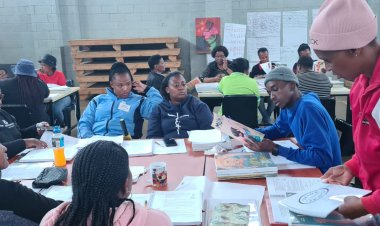
The New loveLife Trust (loveLife), in partnership with the United Nations International Children’s Fund (UNICEF), launched the Oky App, a menstrual health and period tracker app, at the loveLife Youth Centre in Orange Farm, South of Johannesburg.
 Editor
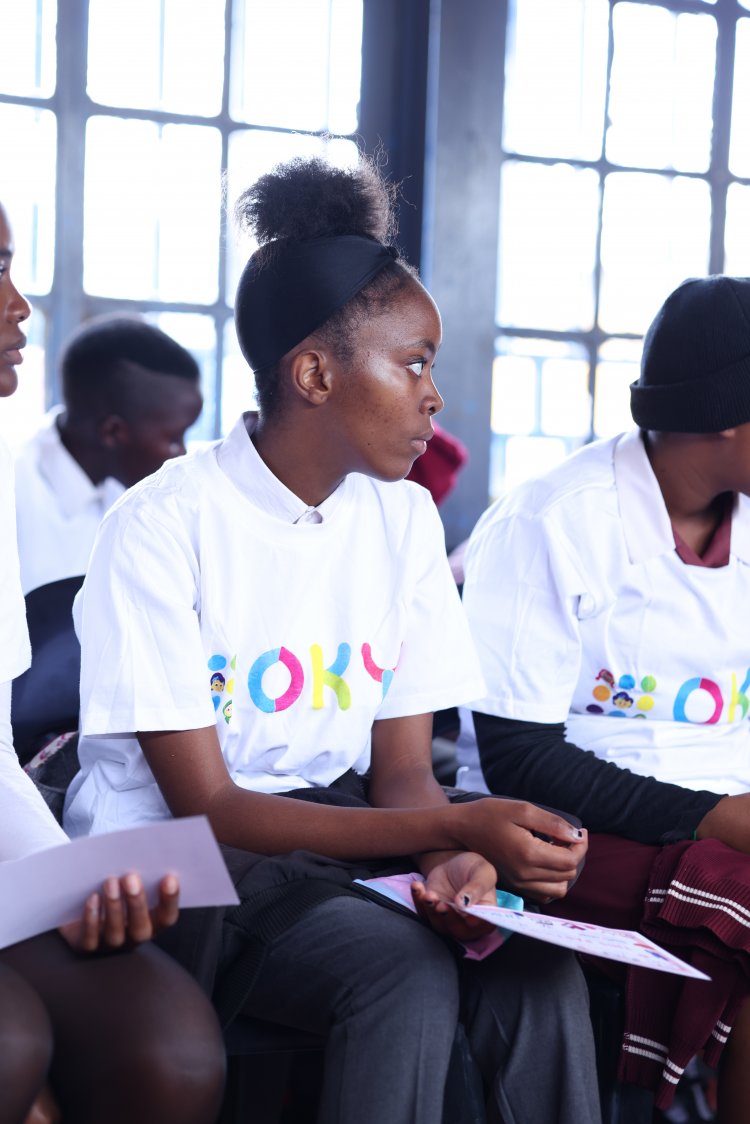
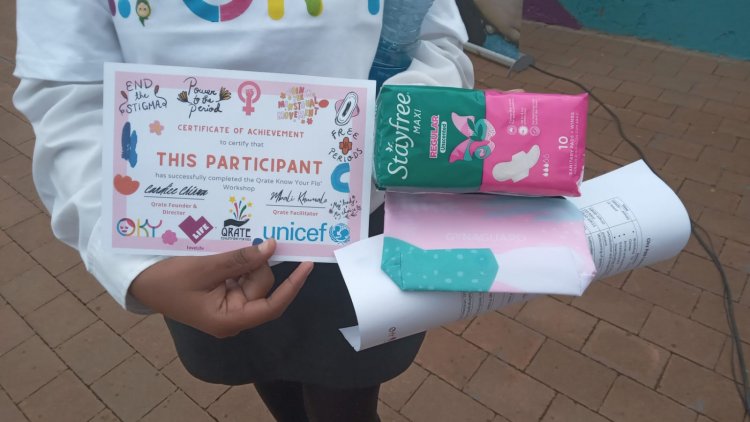
The App's arrival in South Africa is due to a Franchise License Agreement between loveLife and UNICEF. The Agreement has been signed to ensure that loveLife develops and deploys the App across South Africa, using its Code and Assets, as it seeks to commence with the deployment, localisation and Focus Group Discussions that have already been had in five provinces, where girls with disabilities also took part.
The Oky South Africa App is designed to offer digital solutions regarding Menstrual Health and Hygiene (MHH). Its key distinguishing feature is accessibility. The App is zero-rated, which removes any barrier to accessing services and valuable information.
Furthermore, the App launched in four languages: English, IsiZulu, Xitsonga, and Afrikaans. It aims to add more official languages in the future to ensure that all teenage girls in South Africa can optimally use the App for themselves and support their peers through it, particularly regarding MHH.
The Oky App South Africa can be accessed on the following platforms: downloaded from the Google Play and Apple Stores. It is also accessible online: https://oky-app.co.za
MHH is often discussed, and there is an urgent need to take it more seriously. However, there seems to be little understanding of how and what kind of help young girls need in order to understand their bodies better. Various studies, including the one done by the University of Stellenbosch (Letsoalo, 2019), discovered that thirty per cent (30%) of girls miss school while on their periods, resulting in a continuously increasing number of girls’ absenteeism at school. Another study has also shown that of the 22 million South African women and young girls who menstruate, 7.7 million did not have the money to purchase sanitary products.
Over the years, loveLife has bemoaned the fact that young girls in urban and rural areas are often absent from school due to MHH challenges. Hence, loveLife believes that we should all talk less, employ the latest mobile technology, and assist our young girls with what matters.
loveLife calls on Parents, Caregivers, Guardians, Educators and every adult to get involved and encourage our young girls to learn and understand their bodies as they envisage better health and, primarily, protect their bodies.
loveLife believes the bad MHH practices should be in the past, as we aspire for better health outcomes that go further than infections and reproductive tract complications.
Dr Doreen Kosi, Acting Chief Executive Officer of loveLife, said: “There are continuous challenges such as the lack of access to clean and/or consistent running water and appropriate bathing facilities, further exacerbating stigmatisation. Poverty in most parts of our country makes it challenging for some parents and girls to afford sanitary towels. Studies such as the one conducted by MIET Africa assert that absenteeism can often be due to menses-related pain and general feelings of being unwell, as well as fear of leakage of menstrual blood, especially when there is limited access to menstrual products. Recommendations of these studies should be taken more seriously if we are to win the battle against Menstrual Health and Hygiene.”
Globally, the Oky App has proven to be a welcomed solution as it creatively provides girls with information about their periods and is packed with relevant information. The App is age-appropriate and can also be accessed through low-data connectivity and an open source that allows for high data privacy and security.
In South Africa, the App is curated to focus on objectives including:
- Provision of accurate and accessible information and knowledge about MHH to adolescent girls in a fun and engaging way, using a girl-centred design and gamified approach.
- MHH improvement for adolescent girls in South Africa is essential for sanitation, education, health, decent work and overall well-being.
- Empowering girls with tools to track their periods, helping them feel more confident and in control of their bodies.
- Building on existing efforts in the field of MHH and leveraging the reach and accessibility of mobile technology to reach adolescent girls who may not have access to other forms of information and services.
- Promote the use of mobile technology for health information and services among adolescent girls and improve the target population's overall digital literacy and skills.
Dr Sufang Guo, UNICEF South Africa's Chief of Health and Nutrition, said, “The Oky app is so powerful because it was co-created by girls for girls. This digital tool empowers girls and, in turn, can have multiple positive impacts, from better physical and mental well-being to improved educational outcomes. The App also puts girls’ well-being at the heart of the digital health ecosystem to help break the still-existing taboo of menstruation.”
Kosi concluded: “The Oky app is an awesome solution. At loveLife, we encourage and support such technological interventions.”